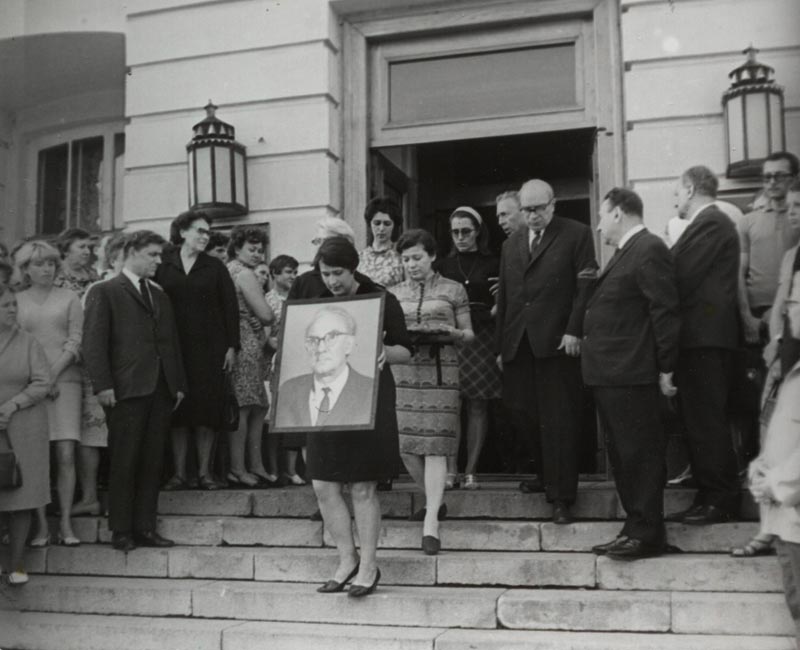
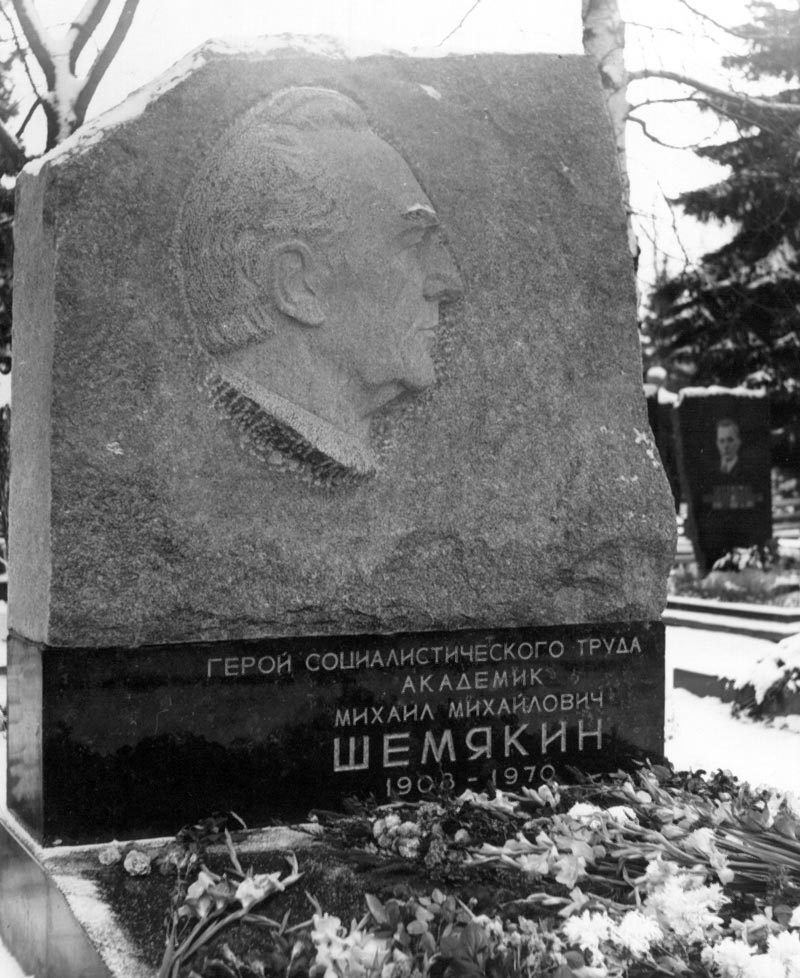
Mikhail Shemyakin
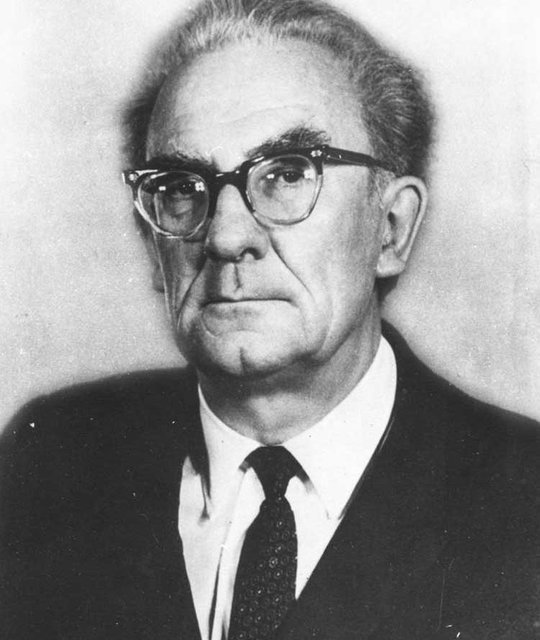
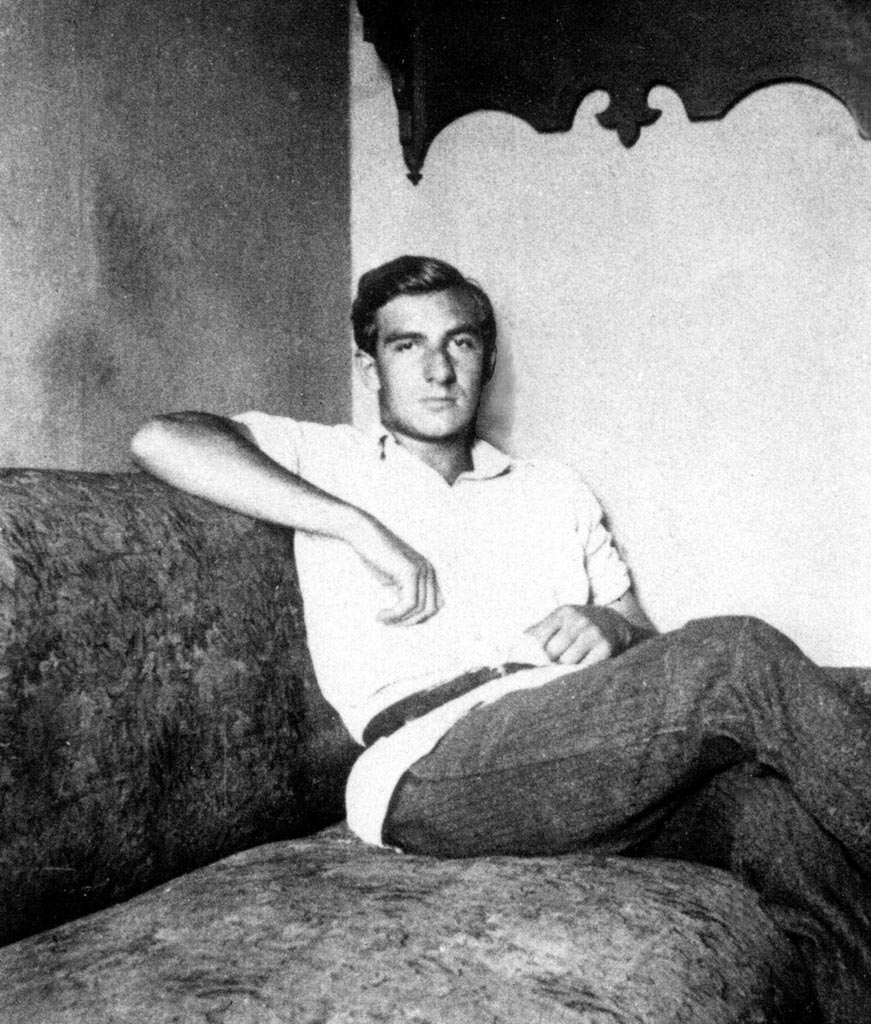
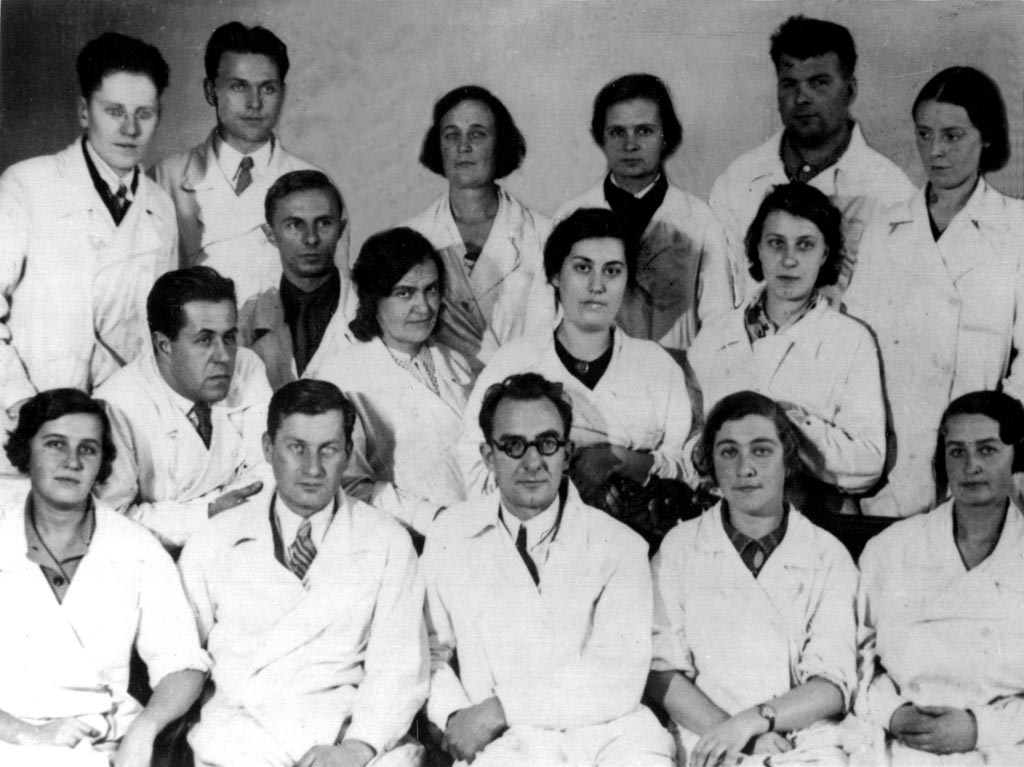
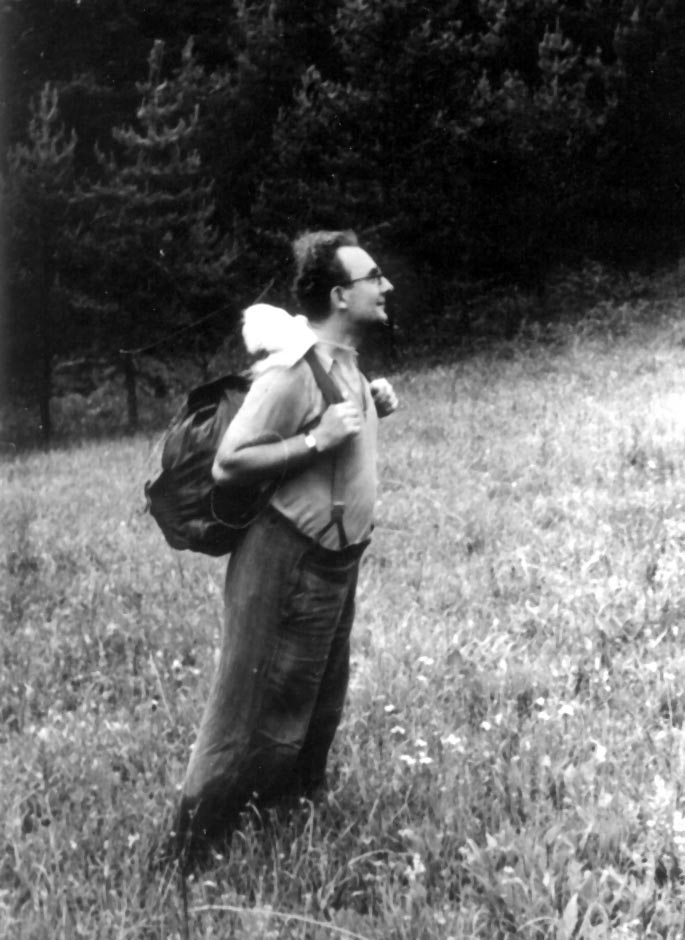
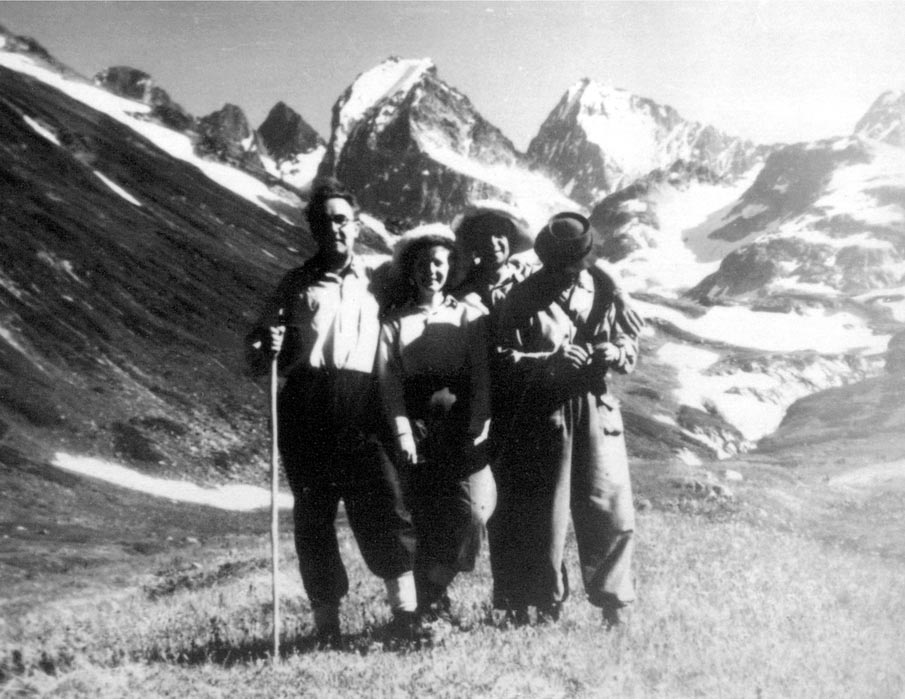
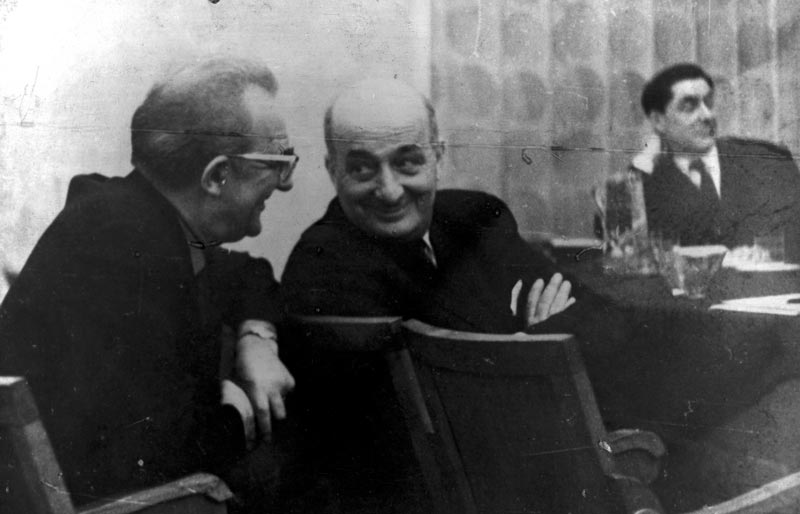
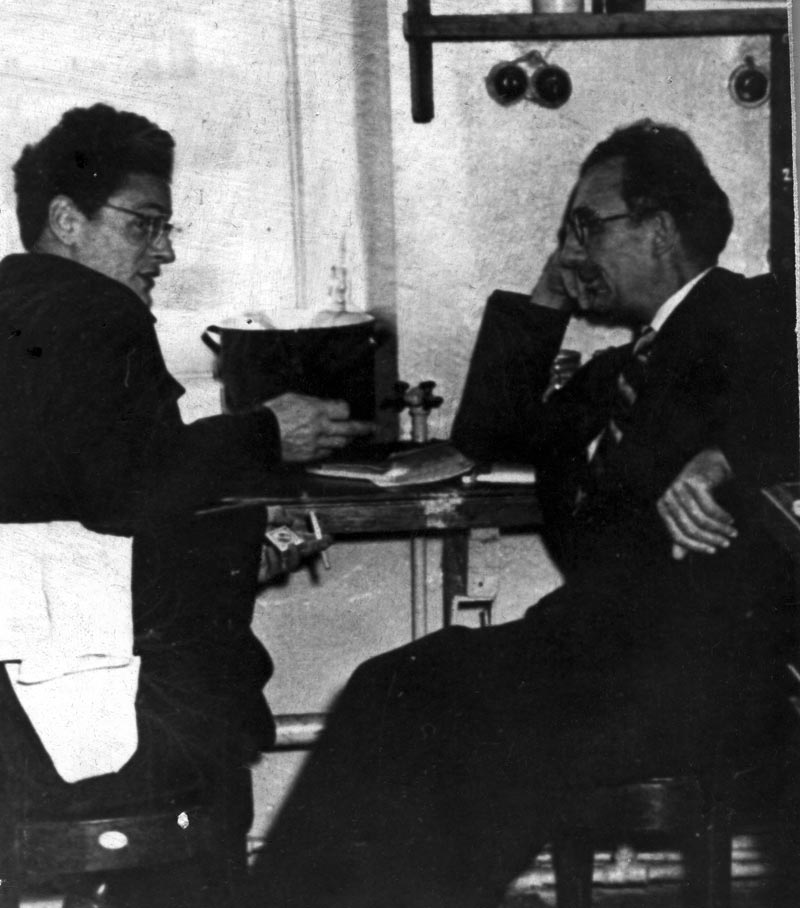
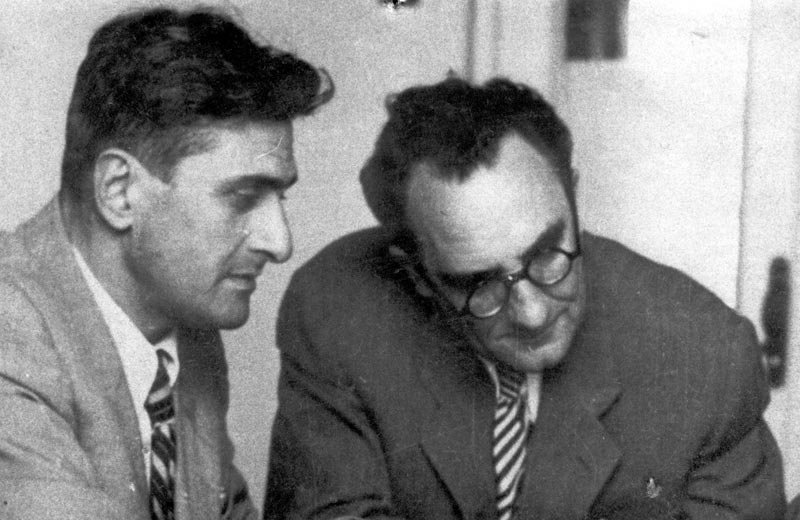
Academician M.M. Shemyakin is an eminent soviet scientist of organic chemistry and chemistry of natural compounds, which with his active taking part in during 10—15 years became a separate branch of knowledge as bioorganic chemistry. Works of M.M. Shemyakin were appreciated highly by scientific community. He is an author of more than 300 articles in different soviet and foreign scientific journals, the main editor of monograph «Chemistry of“antibiotics”. M.M. Shemyakin let the most talented scientists educated, some of them are: Academician Yu.A. Ovchinnikov, M.N. Kolosov, A.S. Khokhlov, V.T. Ivanov, corresponding member of AS USSR and RAS L.D. Bergelson, V.K. Antonov, professors and doctors of science Yu.A. Berlin, V.A. Vaver, N.S. Wulfson, A.I. Gurevich, E.V. Dyatlovitskaya and more than 50 PhDs.


Career
1929—1935: scientist, research Institute of Organic Intermediates and Dyes (Moscow);
1930—1937: assistant, since 1935 — associate professor, Moscow institute of fine chemical technology named after M. V. Lomonosov (MIFCT);
1935—1945: senior research associate, since 1939 — head of Organic chemistry laboratory (later called Laboratory of vitamin chemistry) in All-union institute of experimental medicine (AUIEM) of Ministry of Public Health USSR (Moscow);
1937—1957: associate professor, since 1942 — professor, head of departments of analytical chemistry, organic chemistry and inorganic chemistry in Moscow textile university;
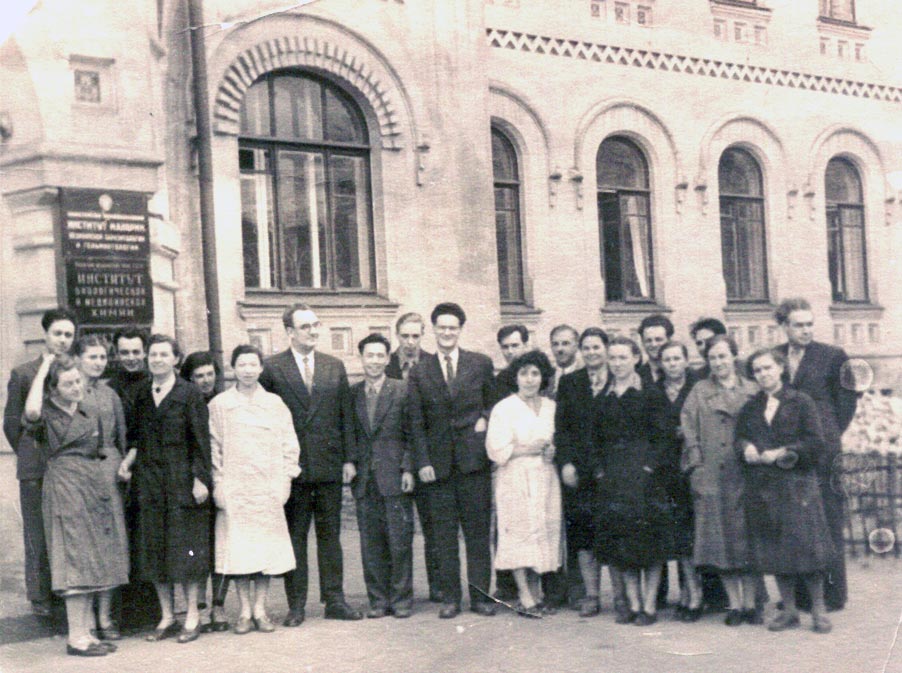
1945—1959: head of laboratory in Research institute of biological and medical chemistry of AMS USSR (Moscow);
1957—1959: head of Laboratory of antibiotics chemistry in N.D. Zelinsky Institute of Organic Chemistry;
1959—1970: director and chairman of Academic council of The Institute of natural compounds’ chemistry (INCC) of AS USSR;
1963—1970:Academician secretary of Department of biochemistry, biophysics and physiologically active compounds chemistry of AS USSR;
1963—1970:Presidium member of AS USSR;
1970: president of VII International symposium IUPAC on chemistry of natural compounds (Riga).

Public and political activities
1950—1957: member of Frunzinsky district soviet of people’s deputies in Moscow;
1951—1970:member of Communist Party USSR.
- Medal “For valorous work during the Great patriotic war, 1941–1945” (1946);
- Medal “In memory of the 800 anniversary of Moscow” (1948);
- Lenin Order for achievements in development of Soviet science and application of scientific achievements in the national economy (1967);
- The title of Hero of Socialist Labor with delivery of the Lenin Order and the gold medal “Hammer and sickle” for his outstanding achievements in development of biological science and scientific training (1969);
- Jubilee Medal “For Valiant Labor. To celebrate the 100th anniversary of Vladimir Ilyich Lenin birth” (1970).


Education
| Period | Coyntry, city | University | Additional info |
|---|---|---|---|
| 1942 | Moscow, Russia | M.V. Lomonosov Moscow State University (chemical faculty) | Professor degree is awarded |
| 1941 | Moscow, Russia | M.V. Lomonosov Moscow State University (chemical faculty) | D.Sc. in chemistry |
| 1938 | Moscow, Russia | M.V. Lomonosov Moscow State University (chemical faculty) | Ph.D. in chemistry (without defence of a thesis) |
| 1925–1930 | Moscow, Russia | M.V. Lomonosov Moscow State University (chemical faculty) | MS in chemistry |
IBCh positions
| 1959–1970 | Director | Direction |
Titles
| 1958 | Academician |
| 1942 | Professor |
| 1941 | Doctor of Science (Chemistry) |
Awards
Scientific results
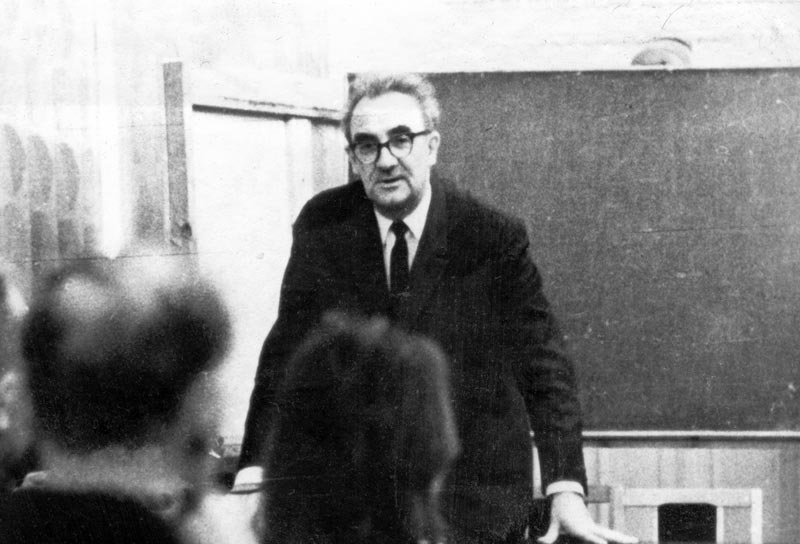
Main works are devoted to bioorganic chemistry, because he was one of its founders. Researched (1938—1941) causes and mechanisms of hydrolytic degradation of carbon–carbon bonds in organic compounds and devised (1941—1943) general theory of oxidative-hydrolytic transformation of organic compounds, which he was developing (till 1961) in his experimental researches. With academician A.E. Brownshtein created (1952) general theory of amino-acid exchange reactions, catalyzed by pyridoxalphosphate enzymes. Translated (1944—1970) researches on chemistry of antibiotics. Synthesized (1949) oxazolon compounds. With A.S. Khokhlov and others researched (1949—1968) structure, properties and different methods of synthesis of chloramphenicol (chloromycetin, laevomycetin) and its analogs. Offered (1953) method of synthesis and technology of industrial obtaining of chloramphenicol, created useable methods of obtaining of its optically active analogs. Ascertained causes of chloramphenicol antimicrobial action. With colleagues synthesized (1957—1959) analogs of sarcomycin. Researched structure and configuration of a large group of related antitumor antibiotics like aurelic acid (olivomycins, chromomycins, mitomycins etc.). In collaboration with Academician M.N. Kolosov and others started (1957) systemized research of tetracyclines, did full synthesis of tetracycline (1966). With L.D. Bergelson found (1961) ways of directed stereoregulation of Wittig reaction. Performed stereospecific syntheses of many important unsaturated fatty acids — main structural unit of many lipids. Using oxidative cyclization of series of di- tri- and tetraacetylene esters he obtained (1960—1962, with L.D. Bergelson) a huge amount of respective ketones. The most important achievements were made by M.M. Shemyakin in research (1953—1970) of protein and peptide substances. With Academician Yu.A. Ovchinnikov and others he founded chemistry of depsipeptides. Offered the term “depsipeptide” (1953). Developed (1959—1965) general method of depsipeptides’ synthesis. Ascertained and corroborated by synthesis structure of enniatin (1962—1964), sporidesmolids (1962—1966), valinomycin (1966) and some of other natural depsipeptides. With Yu.A. Ovchinnikov and colleagues created method and developed (1964—1970) mass-spectrometry researches amino acid sequence in peptides and proteins, did synthesis of peptides on polymer carrier. With Yu.A. Ovchinnikov and V.T. Ivanov ascertained (1969) that depsipeptides are a good chemical tool for research of ion transfer across membranes. Ascertained mechanism of selective binding of alkali metals’ ions by depsipeptide and peptide systems and founded basics of membrane specificity theory. Offered (1957) an isotopic method of research of organic compounds’ dual reactivity and tautomerism, which was widely used by him for research of tautomerism of aldehyde acids, 1,4-naphthoquinones, arylazonaphthols and azocycloles. During last years of life Shemyakin was delivering lectures in pharmaceutical department of I.M. Sechenov First Moscow Medical Institute (nowadays — The I.M. Sechenov Moscow Medical Academy).

Scientific societies’ membership
1946—1965: Member of the State Commission for Academic Degrees and Titles, from 1952 to 1960 – deputy chairman, chairman of the Expert committee on chemistry under the State Commission;
1958—1970: member of the European committee on chemistry of peptides;
1959—1963, 1967—1970:member of organic chemistry section, International union of pure and applied chemistry (IUPAC);
1959—1967: member of chemistry and chemical technology section of the Lenin prizes committee on science and technology under the Council of ministers USSR;
1960—1963: soviet representative in the Advisory Committee on natural sciences UNESCO;
1962—1963: deputy chairman of the Committee of AS USSR on the problems of agriculture;
1962—1964: member of the Bureau of Scientific council of AS USSR on the issue of “Molecular Biology”;
1963—1967: chairman of the Advisory committee on natural sciences in the Commission USSR for UNESCO;
1963—1969: Member of the Commission on international scientific relations of the Presidium of AS USSR;
1965—1970: member of the Advisory board of the fund “CIBA”;
1967—1970: member of the Committee on Lenin and USSR State Prizes in science and technology under the Council of Ministers USSR.
Titles of honour
1953: corresponding member of AS USSR;
1957:full member of the Chemical society of France;
1958:full member of AS USSR;
1966:honorary member of the Czechoslovak chemical society;
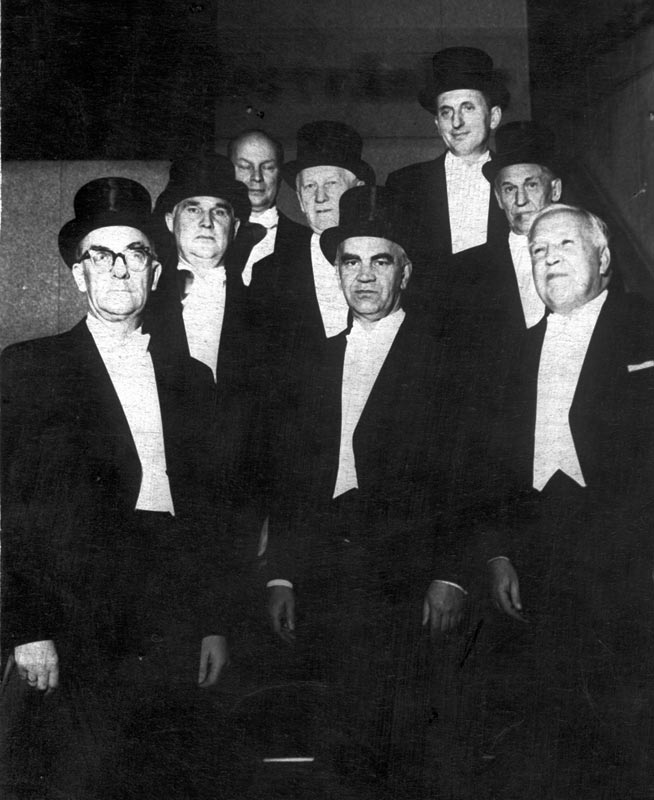
1968: foreign member of the German academy of natural scientists “Leopoldina” in Galla.
Member of the editorial board of scientific journals
1947—1970: member of the editorial board of Goskhimizdat;
1956—1964: editor of chemistry section in “Bolshaya medicinskaya entsiclopedia”;
1956—1970: editor of journal “Reaktsiyi i metody issledovaniya organicheskih soedineniy”;
1956—1970: member of the editorial board “Antibiotiki”;
1963—1970: member of the editorial board “Journal of general chemistry”, which belonged to AS USSR;
1969—1970: member of the editorial board of international journal “Synthesis”;
1969—1970: member of the editorial board of international journal “The Journal of membrane biology”.
In memory of M.M. Shemyakin
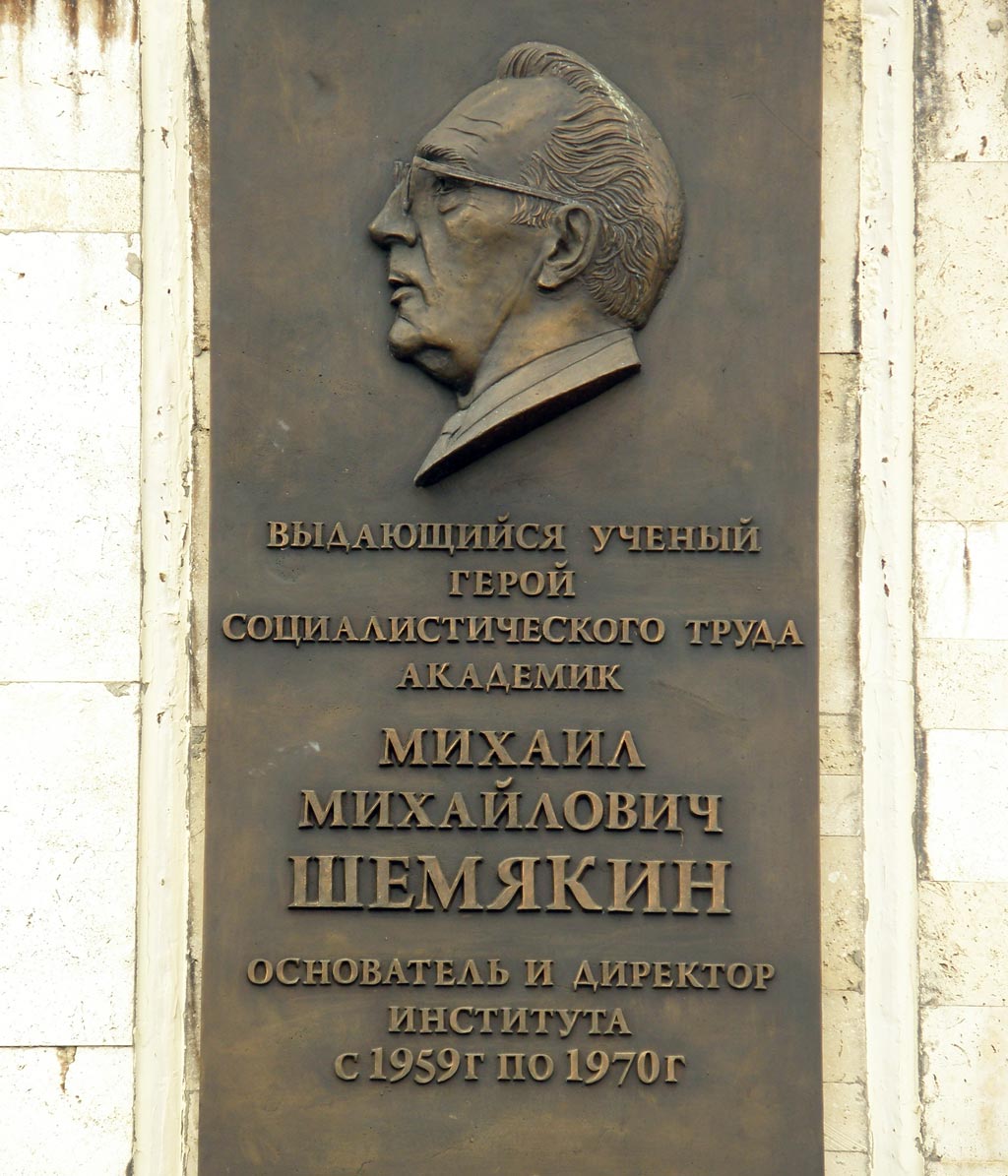
In 1970 the Institute of natural compounds’ chemistry (INCC) of AS USSR (nowadays – IBCh RAS) was named after its founder and first director, Academician Mikhail Shemyakin. Today there is his memorial plaque in front of central entrance in IBCh RAS.
In 1982 Presidium of AS USSR founded award named after M.M. Shemyakin for outstanding work in the field of peptides and proteins (since 1995 г. — in the field of bioorganic chemistry).