


Водовозова Елена Львовна
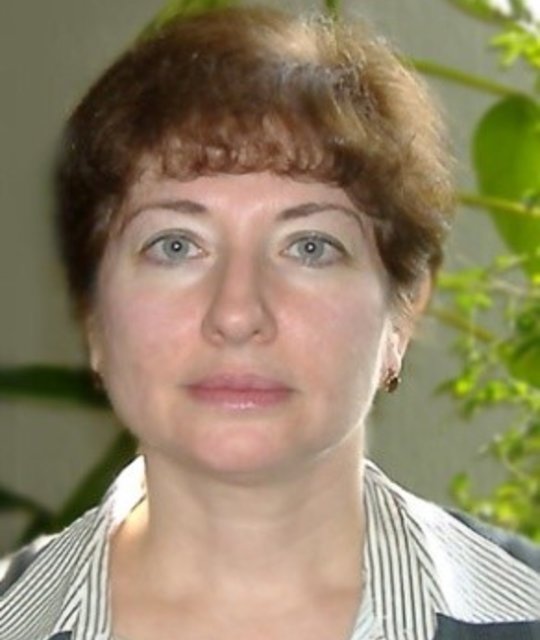
|
Доктор наук Заведующий лабораторией (Лаборатория химии липидов), Главный научный сотрудник (Лаборатория химии липидов), Профессор (Отдел «Аспирантура») |
Е. Л. Водовозова в 1981 г. поступила в аспирантуру ИБХ РАН. В 1985 г. она защитила диссертацию на степень кандидата химических наук по специальности «биохимия» в области синтеза и применения фотореактивных липидных зондов, тогда еще нового и малоразработанного направления исследований. Работа была выполнена в лаборатории химии липидов. С тех пор она сотрудник этой лаборатории. После защиты докторской диссертации (2007 г.), посвященной разработке новых фотоаффинных липидных зондов для структурно-биологических исследований, Е. Л. Водовозова руководит лабораторией химии липидов.
Образование
| Период обучения | Страна, город | Учебное заведение | Дополнительная информация |
|---|---|---|---|
| 2008 | Россия, Москва | Институт биоорганической химии им. академиков М.М. Шемякина и Ю.А. Овчинникова РАН (ИБХ) | Диплом доктора химических наук "биохимия" |
| 1985 | Россия, Москва | Институт биоорганической химии имени М.М. Шемякина АН СССР (ИБХ) | Диплом кандидата химических наук по специальности «биохимия» |
| 1975–1981 | Россия, Москва | Московский государственный университет имени М.В. Ломоносова (МГУ), химический факультет | Диплом химика (с отличием) |
Преподавание
| Период работы | Страна, город | Название курса | Дополнительная информация |
|---|---|---|---|
Научное руководство в ИБХ
| Роль | Сотрудники |
|---|---|
| Научный руководитель | Алексеева А.С. (Кандидат наук), Третьякова Д.С. (Кандидат наук) |
Работа в ИБХ
| 2008–наст.вр. | Заведующий лабораторией | Лаборатория химии липидов |
| 2019–наст.вр. | Главный научный сотрудник | Лаборатория химии липидов |
| 2026–наст.вр. | Профессор | Отдел «Аспирантура» |
Членство в советах и комиссиях ИБХ
| Ученый совет |
Степени и звания
| 2007 | Доктор наук (Химические науки, 03.00.04 — Биохимия) |
| 1985 | Кандидат наук (Химические науки, Биохимия) |
Научные интересы
Более 20 лет одним из главных направлений работы Е. Л. Водовозовой являются исследования в области создания систем направленной доставки лекарств на основе липосом, липидных производных противоопухолевых химиотерапевтических средств (липофильных пролекарств) и липофильных гликоконъюгатов (молекулярных адресов). Другое направление исследований, которое развивает Е. Л. Водовозова — это разработка фотоаффинных зондов с новым высокоэффективным фотофором (диазоциклопентадиен-2-илкарбонильной меткой).
Научные результаты
В сотрудничестве с отечественными и зарубежными учеными изучена топография цитохрома Р450 в мембране, получены сведения, важные для понимания механизма сборки рецептора интерлейкина-2 в активированных Т-лимфоцитах, определены фрагменты молекулы интерлейкина-4, взаимодействующие с ганглиозидом GM1.
В лаборатории химии липидов ИБХ РАН продолжена разработка способа получения липосомальных препаратов путем включения липофильных пролекарств в липидный бислой. Доставка лекарств в опухолевые клетки в виде липидных конъюгатов в мембране липосом дает ряд преимуществ по сравнению с инкапсулированием исходного препарата во внутренний водный объем носителя: уменьшается утечка препарата в процессе циркуляции липосом в кровотоке и при взаимодействии с клеткой; изменяется механизм проникновения лекарства в клетку и его внутриклеточный трафик, что повышает потенциал преодоления множественной лекарственной устойчивости опухолевых клеток; упрощается технология получения наноразмерных липосом с эффективной концентрацией лекарства. После попадания в целевую клетку пролекарство расщепляется эндогенными ферментами с высвобождением активного агента. Ранее нами синтезированы диглицеридные сложноэфирные конъюгаты широко используемых в клинике химиотерапевтических препаратов – алкилирующего агента мелфалана и антиметаболита фолиевой кислоты метотрексата (Mlph-DG и MTX-DG); на основе этих липофильных пролекарств и природных фосфолипидов получены стабильные 100-нм-липосомы [1-3]. За последние 5 лет показана эффективность липосомальных препаратов пролекарств в моделях опухолей мышей in vivo: острый Т-лимфолейкоз [4], рак молочных желез WNT-1 [5]. Совместно с предприятием ООО Технология лекарств (Химки, МО) разработан способ получения препаратов длительного хранения путем лиофилизации липосом с криопротектором. Масштабирован синтез липофильного пролекарства мелфалана. В доклинических исследованиях при внутривенном введении крысам липосомальный препарат Mlph-DG показал снижение острой токсичности в 2 раза и улучшение переносимости по сравнению с препаратом Alkeran (Glaxo, Италия), в связи с чем был рекомендован для получения разрешения на клинические исследования [5].С целью увеличения селективности действия (таргетная терапия) получены липосомы, несущие молекулярный адрес – тетрасахарид SiaLeX – для доставки к ангиогенному эндотелию опухолей. Установлено селективное действие SiaLeX-липосом на эндотелиальные клетки, активированные провоспалительным цитокином; неактивированные клетки связывают цитотоксические липосомы лишь незначительно и вне зависимости от наличия SiaLeX-лиганда [6]. Таким образом реализуется потенциал направленного действия SiaLeX-липосом на очаги воспаления и опухоли.Ранее нами показано, что липосомы с Mlph-DG и MTX-DG, в том числе несущие SiaLeX-лиганд, не влияют на основные форменные элементы крови человека – эритроциты и тромбоциты [7]. Однако в отличие от инертных препаратов с Mlph-DG, МТХ-содержащие липосомы вызывали нарушения в системе коагуляции крови и активировали систему комплемента (СК) – индуцировали выработку анафилатоксина C3a. Нежелательные эффекты минимизировались при уменьшении нагрузки липосом MTX-DG. Позже мы получили данные о дифференциальном связывании белков плазмы крови с липосомами, нагруженными Mlph-DG и MTX-DG [8] – только препараты с высоким содержанием МТХ-DG связывали фрагменты компонента С3 и фактора Н. По результатам наших последних исследований, активация системы комплемента под действием липосом с MTX-DG осуществляется по механизмам как классического, так и альтернативного путей [9]. Недавно мы показали ex vivo, что введение в липосомы MTX-DG стимулирует их захват моноцитами цельной крови человека, причем независимо от наличия в липосомах экранирующих мембрану компонентов [10]. Очевидная причина такого эффекта – экспонирование на поверхности мембраны остатка метотрексата.Исследовано влияние ряда экранирующих молекул в бислое на целостность липосом, нагруженных Mlph-DG, в сыворотке крови человека. Показано, что фосфатидилинозит защищает от деградации жидкофазный липидный бислой, состоящий на 80% из яичного фосфатидилхолина, не менее 4 ч, а ганглиозид GM1 и конъюгат кислого олигопептида с липидом – не менее 24 ч. В то же время, конъюгат ПЭГ2000 с липидом способствовал разрушению липосом, имеющих жидкофазный или твердофазный липидный бислой. ПЭГ-липид хорошо стабилизировал липидный бислой, находящийся в упорядоченной жидкокристаллической фазе, т.е. содержащий достаточное количество холестерина [11].
Е. Л. Водовозова — автор более 100 публикаций в отечественных и зарубежных журналах, более 120 опубликованных тезисов докладов на конференциях в России и за рубежом, монографии, главы в книге и 4-х патентов.
Литература
1. Водовозова Е.Л., Кузнецова Н.Р., Кадыков В.А., Хуцян С.С., Гаенко Г.П., Молотковский Юл.Г. Липосомы как нано-носители липидных конъюгатов противоопухолевых агентов мелфалана и метотрексата. Рос. нанотехнологии 2008, 3 (3-4) 162-172.
2. Kuznetsova N., Kandyba A., Vostrov I., Kadykov V., Gaenko G., Molotkovsky J., Vodovozova E. Liposomes loaded with lipophilic prodrugs of methotrexate and melphalan as convenient drug delivery vehicles. J. Drug Deliv. Sci. Technol. 2009, 19 (1), 51-59.
3. Krasnov V.P., Korolyova M.A., Vodovozova E.L. Nano-sized melphalan and sarcolysine drug delivery systems: synthesis and prospects of application. Russian Chemical Reviews 2013, 82 (8), 783-814. DOI: 10.1070/RC2013v082n08ABEH004358. IF 3.991, Q1
4. Alekseeva A.S., Moiseeva E.V., Onishchenko N.R., Boldyrev I.A., Singin A.S., Budko A.P., Shprakh Z.S., Molotkovsky J.G., Vodovozova E.L. Liposomal formulation of a methotrexate lipophilic prodrug: assessment in tumor cells and mouse T-cell leukemic lymphoma. Int. J. Nanomedicine 2017, 12, 3735–3749.
5. Tretiakova D., Svirshchevskaya E., Onishchenko N., Alekseeva A., Boldyrev I., Kamyshinsky R., Natykan A., Lokhmotov A., Arantseva D., Shobolov D., Vodovozova E. Liposomal formulation of a melphalan lip ophilic prodrug: Studies of acute toxicity, tolerability, and antitumor efficacy, Curr. Drug. Deliv. 2020, 17(4) 312-323.
6. Alekseeva A., Kapkaeva M., Shcheglovitova O., Boldyrev I., Pazynina G., Bovin N., Vodovozova E. Interactions of antitumour Sialyl Lewis X-liposomes with vascular endothelial cells. Biochim. Biophys. Acta - Biomembranes 2015, 1848, 1099–1110.
7. Kuznetsova N.R., Sevrin C., Lespineux D., Bovin N.V., Vodovozova E.L., Mészáros T., Szebeni J., Grandfils C. Hemocompatibility of liposomes loaded with lipophilic prodrugs of methotrexate and melphalan in the lipid bilayer. J. Control. Release 2012, 160 (2), 394-400.
8. Кузнецова Н.Р., Водовозова Е.Л. Дифференциальное связывание белков плазмы крови липосомами, несущими в бислое липофильные пролекарства метотрексата и мелфалана. Биохимия 2014, 79 (8), 999–1008.
9. D.S. Tretiakova, N.R. Onishchenko, A.G. Vostrova, E.L. Vodovozova. Interactions of liposomes carrying lipophilic prodrugs in the bilayer with blood plasma proteins. Russ. J. Bioorg. Chem. 2017, 43, 678-689.
10. Tretiakova D.S., Khaidukov S.V., Babayants A.A., Frolova I.S., Shcheglovitova O.N., Onishchenko N.R., Vodovozova E.L. Lipophilic Prodrug of Methotrexate in the Membrane of Liposomes Promotes Their Uptake by Human Blood Phagocytes. Acta Naturae 2020,12(1) 99-109.
11. Tretiakova D., Onishchenko N., Boldyrev I., Mikhalyov I., Tuzikov A., Bovin N., Evtushenko E., Vodovozova E. Influence of stabilizing components on the integrity of antitumor liposomes loaded with lipophilic prodrug in the bilayer. Colloids and Surfaces B: Biointerfaces 2018, 166, 45–53.
 Загрузка... Загрузка... Загрузка...